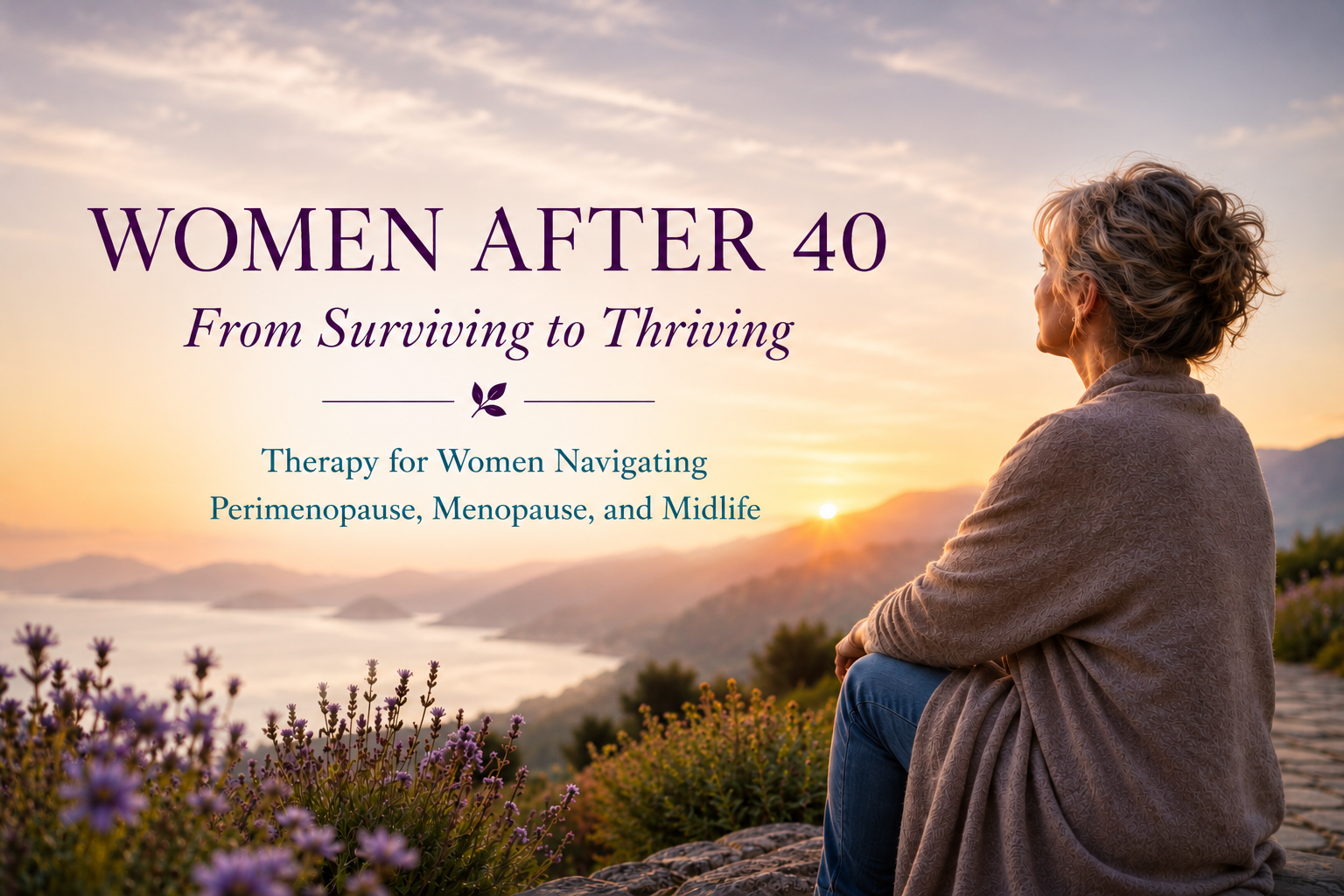


A Time of Awakening Rather Than Decline
Our culture often portrays menopause as something to endure. After more than forty years as a psychologist, I have come to see it differently. I have watched countless women discover that this stage of life can become the beginning of something extraordinary.
Many women begin developing greater self-awareness, recognizing unhealthy relationship patterns, establishing healthier boundaries, rediscovering forgotten dreams, and healing wounds they have carried for years. Rather than an ending, this can become the beginning of a new chapter—one defined by wisdom rather than obligation, freedom rather than fear, and purpose rather than simply meeting everyone else's expectations.
You May Be Experiencing...
Every woman's experience of perimenopause and menopause is unique, yet many describe similar emotional struggles. You may be dealing with anxiety, depression, mood swings, increased irritability, insomnia, brain fog, chronic stress, or a loss of confidence. You may be grieving changing roles, adjusting to an empty nest, caring for aging parents, questioning your marriage, recovering from divorce, or wondering what the future holds.
Many women tell me, "I don't recognize myself anymore." Together, we work to understand why those feelings have emerged and how this transition can become an opportunity for healing rather than simply something to survive.







When Old Wounds Begin to Surface
One of the surprising aspects of midlife is that experiences from long ago often begin to reappear. Women who have successfully managed careers, marriages, and families sometimes discover that unresolved childhood experiences, trauma, perfectionism, or people-pleasing patterns begin demanding attention.
This is not a sign of failure. It is often the mind's way of saying, "Now you finally have the opportunity to heal." My work frequently includes helping women recover from childhood emotional neglect, narcissistic relationships, emotional abuse, sexual trauma, medical trauma, chronic stress, perfectionism, unhealthy boundaries, low self-esteem, PTSD, and complex trauma. Healing these experiences often allows women to move into the second half of life with greater confidence, emotional freedom, and resilience.
This Isn't Just About Hormones. It May Be One of the Most Important Transitions of Your Life.
There comes a point in many women's lives when something begins to feel different. You may not be able to explain it, but you know something has changed. Perhaps your body is changing, your emotions seem less predictable, or your confidence has faded. You may feel exhausted from taking care of everyone else, or for the first time in years, you find yourself quietly asking, "Who am I now?"
For many women, the years surrounding perimenopause and menopause become much more than a physical transition. They become an emotional, psychological, and deeply personal turning point. While hormonal changes certainly play a role, many women also begin confronting questions they have postponed for decades. What do I want from the rest of my life? Why do I no longer feel like myself? Why do old hurts suddenly seem to be resurfacing? Why am I questioning relationships that once seemed acceptable?
These questions do not necessarily mean that something is wrong. Often, they are signs that something within you is asking to be heard.
My Approach
Therapy is never simply about reducing symptoms. It is about helping you understand yourself more deeply and creating meaningful, lasting change. Together, we identify lifelong patterns, explore how early experiences continue to influence the present, and develop practical strategies for reducing anxiety, improving emotional regulation, strengthening self-esteem, establishing healthy boundaries, and healing from trauma.
My approach integrates more than four decades of experience in clinical psychology, behavioral medicine, cognitive behavioral therapy, psychodynamic psychotherapy, trauma recovery, mindfulness, stress management, and mind-body approaches to healing. Every treatment plan is tailored to your unique experiences, strengths, and goals.
The Quiet Awakening Model
One of the foundations of my work is what I call the Quiet Awakening model. When life becomes overwhelming, our minds often become filled with constant noise—worry, self-doubt, regrets, fear, and endless responsibilities. Healing begins when we learn to quiet that internal noise.
As your nervous system settles, clarity often begins to emerge naturally. Many women describe this process as finally feeling like themselves again, while others discover strengths and possibilities, they had forgotten existed. This quiet process of self-discovery becomes the foundation for lasting personal growth.

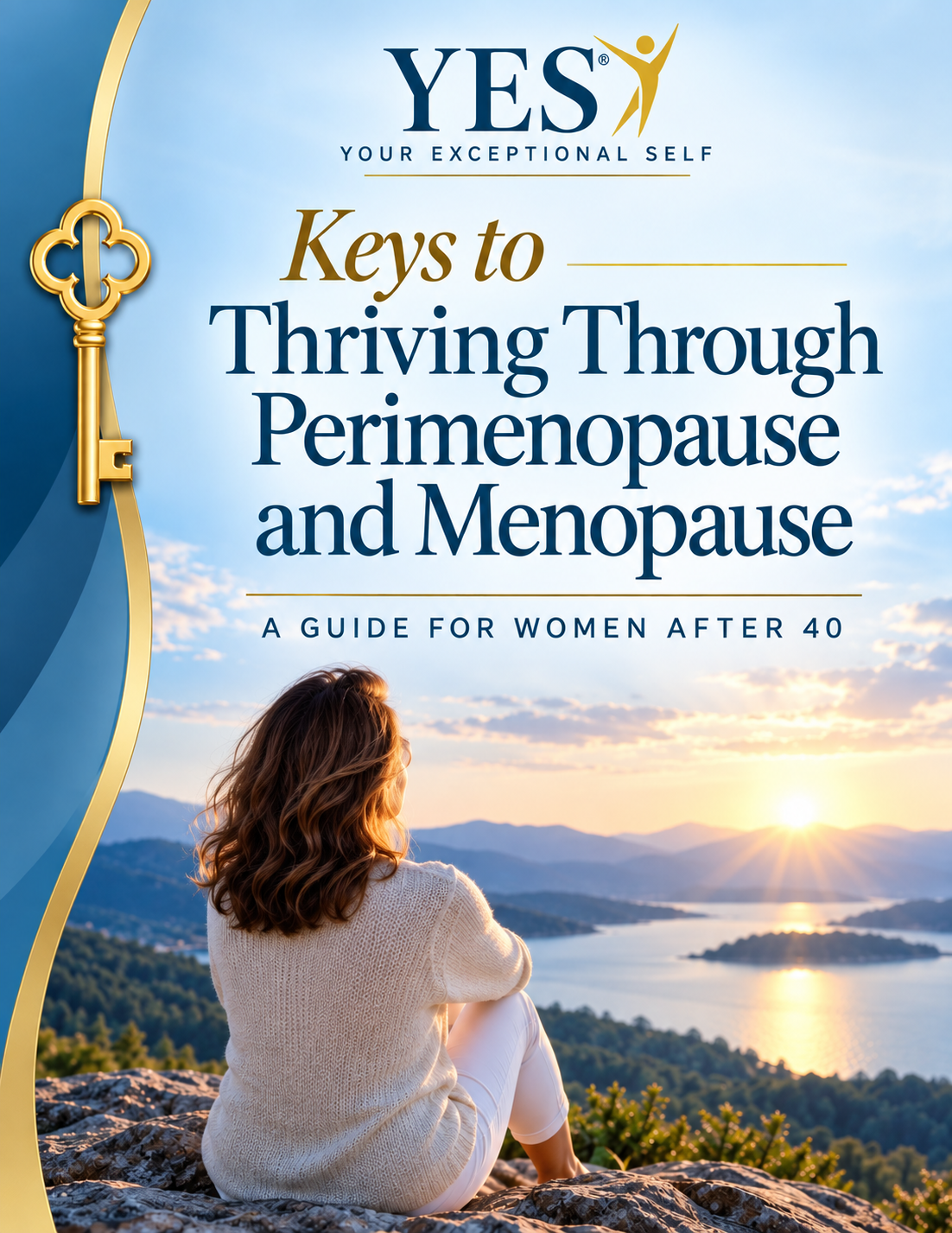
Keys to Thriving Through Perimenopause and Menopause: A Guide for Women After 40
If you are finding that life after 40 feels different—your sleep is less restful, your emotions feel unfamiliar, or you sometimes wonder what happened to the woman you used to be—you deserve understanding and support. Keys to Thriving Through Perimenopause and Menopause, part of the YES (Your Exceptional Self) Program, offers a compassionate guide to understanding these changes and reconnecting with yourself. Through accessible explanations, reflection exercises, and calming Quiet Awakening practices, you can explore ways to manage stress, support restful sleep, understand your emotions, and navigate changing relationships with greater confidence. This module invites you to listen to your needs, recognize your strengths, and approach this chapter of life with self-compassion and a renewed sense of possibility.
You Don't Have to Navigate This Transition Alone
Whether you are experiencing perimenopause, menopause, or simply finding yourself at an important crossroads in life, therapy can provide a safe place to pause, reflect, heal, and rediscover who you are becoming. Many women tell me that reaching out for help was one of the best decisions they ever made.
The second half of life does not have to be defined by loss. It can become a time of remarkable growth, renewed purpose, emotional resilience, and personal fulfillment.
Every Patient Receives the YES Program
Every woman who works with me receives complimentary access to my YES (Your Exceptional Self) educational program. These practical resources reinforce what we discuss in therapy and allow you to continue your growth between sessions.
The program includes modules on managing stress, improving self-esteem, developing healthy boundaries, healing childhood schemas, understanding attachment patterns, recognizing cognitive distortions, resolving conflict, practicing forgiveness, strengthening emotional regulation, and learning evidence-based relaxation techniques. Together, these resources provide practical tools for creating lasting change.

Every Patient Receives the YES Program
Every woman who works with me receives complimentary access to my YES (Your Exceptional Self) educational program. These practical resources reinforce what we discuss in therapy and allow you to continue your growth between sessions.
The program includes modules on managing stress, improving self-esteem, developing healthy boundaries, healing childhood schemas, understanding attachment patterns, recognizing cognitive distortions, resolving conflict, practicing forgiveness, strengthening emotional regulation, and learning evidence-based relaxation techniques. Together, these resources provide practical tools for creating lasting change.
Navigate the changes of midlife with greater confidence, understanding, and well-being with this practical guide to perimenopause and menopause. Includes:
Clear insight into the emotional, psychological, and physical changes that can occur during perimenopause and menopause
Practical strategies for managing stress, mood changes, relationships, sleep, and everyday well-being
Reflective exercises and supportive practices to help you build resilience, reconnect with yourself, and thrive after 40